PowerPro Tool Maintenance Guide
JD
Jane Doe
Technical Specialist
06/10/2023
Introduction to Tool Maintenance
Regular maintenance is essential for keeping your PowerPro tools in optimal condition. This guide will walk you through the best practices for maintaining different types of tools.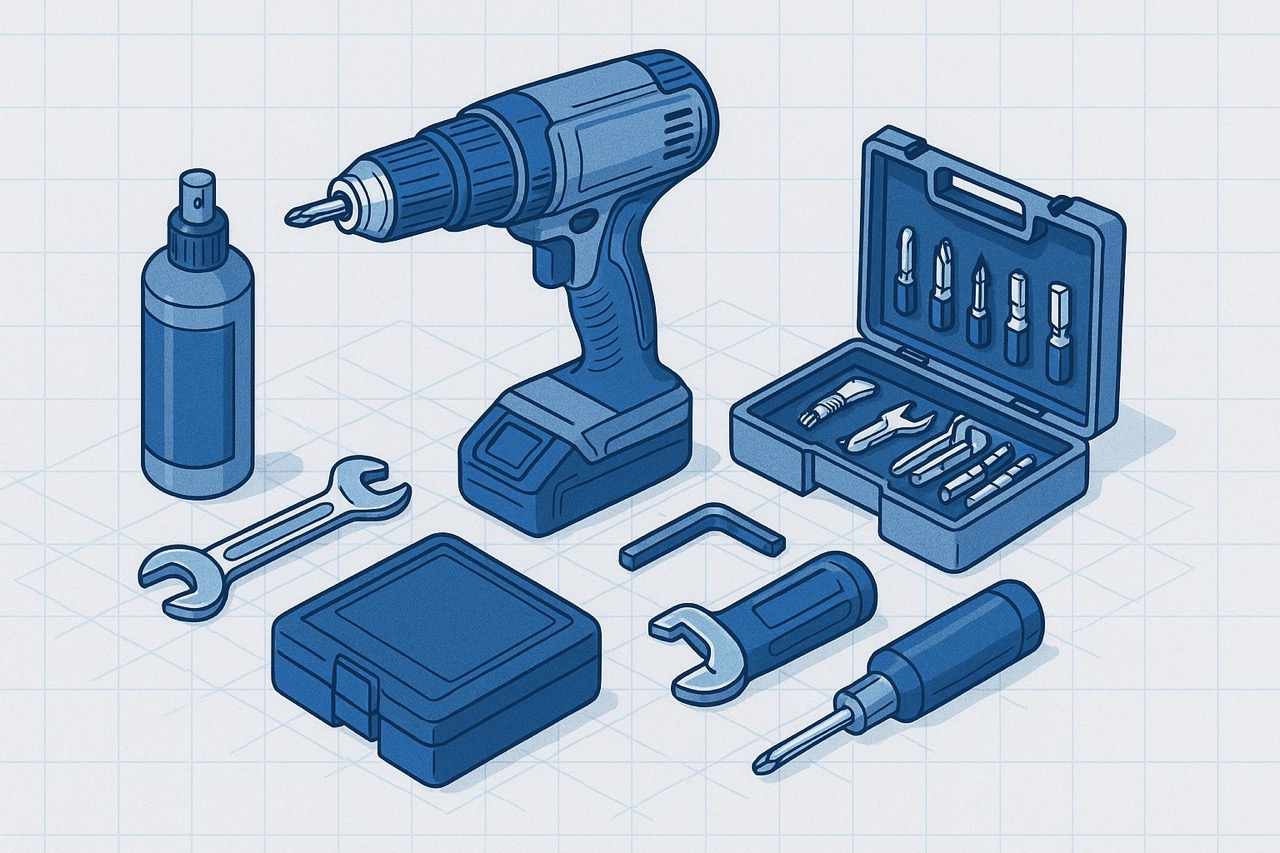
A comprehensive PowerPro maintenance kit contains everything you need to keep your tools in top condition.
Detailed Maintenance Guide
PowerPro Tool Maintenance Guide
Welcome to our comprehensive guide on maintaining your PowerPro tools. Proper maintenance not only extends the life of your tools but also ensures they perform at their best when you need them most.Basic Maintenance Principles
Regardless of the specific tool, there are some universal maintenance principles that apply to all PowerPro equipment:Regular Cleaning
Keeping your tools clean is the foundation of good maintenance:- After each use, wipe down the exterior with a clean cloth
- Remove any dust, debris, or moisture
- Pay special attention to vents and moving parts
- Use compressed air to clean hard-to-reach areas
Pro Tip: Never use water directly on electrical components. Instead, use a slightly damp cloth or specialized electronic cleaning solutions.Proper Storage
How you store your tools significantly impacts their longevity:- Store tools in a dry, clean environment
- Use the original cases when possible
- Keep batteries separate from tools during long-term storage
- Hang tools when appropriate to prevent damage

Power Drill Maintenance
Power drills require specific maintenance to ensure smooth operation and longevity.Chuck Maintenance
The chuck is a critical component that needs regular attention:- Open the chuck fully and remove any debris
- Apply a small amount of lubricant to the moving parts
- Open and close the chuck several times to distribute the lubricant
- Wipe away any excess
Battery Care
For cordless drills, battery maintenance is essential:- Regular Charging - Don't let batteries sit unused for months
- Avoid Extreme Temperatures - Store between 40°F and 80°F
- Prevent Complete Discharge - Recharge when you notice power decreasing
- Clean Contacts - Keep battery contacts clean with alcohol wipes
Saw Maintenance
Saws have unique maintenance requirements due to their cutting mechanisms.Blade Care and Replacement
Saw Type Blade Inspection Frequency Signs of Wear Replacement Interval Circular Saw After every 8-10 hours of use Chipped teeth, burning smell 25-50 hours of use Jigsaw After every 5 hours of use Bent blade, rough cuts 15-20 hours of use Reciprocating Saw After every job Discoloration, slow cutting As needed Guide Maintenance
Step Action 1 Check guide alignment with a square tool 2 Clean guide rails with a soft brush 3 Apply appropriate lubricant to moving parts 4 Test movement for smoothness Sanders and Grinders Maintenance
These tools generate significant dust and require special attention.Dust Collection System
Maintaining the dust collection system is crucial:- Empty dust collection bags or containers after each use
- Clean filters regularly with compressed air
- Check for tears or holes in collection bags
- Ensure proper sealing between components
Pad and Disc Maintenance
- Inspect Regularly - Look for tears, uneven wear, or hardening
- Clean Between Grits - When changing sandpaper grits, clean the pad thoroughly
- Replace When Worn - A worn pad can affect sanding quality and tool balance
- Use Appropriate Pressure - Excessive pressure wears pads faster
Seasonal Maintenance Checklist
For tools that aren't used year-round, follow this seasonal maintenance checklist:- Beginning of Season
- Check all moving parts for smooth operation
- Inspect cords and plugs for damage
- Test batteries and chargers
- Verify all safety features are working
- End of Season
- Deep clean all tools
- Apply rust preventative to metal parts
- Fully charge batteries before storage
- Store in a climate-controlled environment
Troubleshooting Common Issues
Motor Problems
If your tool's motor is running hot or making unusual noises:- Clean all vents and airways
- Check for binding in moving parts
- Inspect brushes for wear (if applicable)
- Ensure proper lubrication
Power Issues
For tools with inconsistent power:- Check power source and connections
- Inspect cords for damage
- Test batteries in another tool
- Clean battery contacts
Professional Maintenance Services
Some maintenance tasks are best left to professionals:- Annual Inspection - Have your most-used tools professionally inspected yearly
- Motor Rebuilding - When performance decreases significantly
- Precision Calibration - For tools requiring exact measurements
- Electrical Safety Testing - Especially for older tools
Conclusion
Consistent maintenance of your PowerPro tools is an investment that pays dividends in performance and longevity. By following this guide, you'll ensure your tools are always ready when you need them and operating at peak efficiency.For additional assistance with tool maintenance, contact our customer support team at support@powerprotools.com or call 1-800-POWERTOOLS.